
Flowers
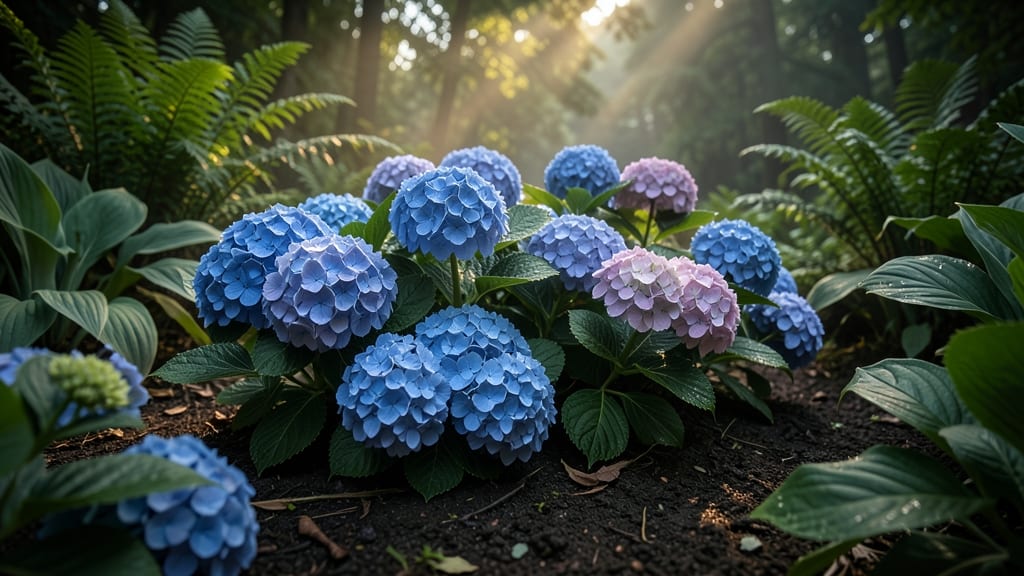
Love the drama of deep shadows but hate flowers that fade in dim light? These 10 blue-hued beauties thrive in shady spots, adding cool elegance to forgotten corners of your garden while demanding less sunlight than their vibrant cousins.
Bleeding Heart Plant for Woodland Gardens

Transform your shady garden into a romantic woodland retreat with bleeding heart (Dicentra spectabilis), a plant that thrives in the very conditions where other flowers struggle. Its delicate, heart-shaped blooms in soft pink-blue hues cascade like ferns, creating a dreamy, ethereal effect that’s perfect for dappled light beneath trees or along woodland edges.
This perennial favorite prefers partial to full shade and well-drained, rich soil—ideal for gardeners who want drama without the fuss. Plant it in clusters for a lush, cascading effect, and pair it with ferns or hostas to enhance its woodland charm. With minimal care, it rewards you with months of blooms from late spring to early summer, making it a standout in any shade garden. 🌷
Blue Lobelia for Container Gardens

If you’ve ever dreamed of a blue waterfall in your garden but lack space for sprawling perennials, blue lobelia is your secret weapon. This compact yet prolific trailer thrives in partial shade, cascading effortlessly from hanging baskets, window boxes, or even small pots on your balcony.
Plant it in well-draining soil and keep it consistently moist—it loves humidity but hates soggy roots. For maximum impact, pair it with silver foliage plants like dusty miller or white impatiens to create a cool, contrasting spill. Deadhead spent blooms to encourage nonstop flowering from spring until frost, and watch your containers transform into a blue-hued oasis.
Urban gardeners and balcony dwellers will love how lobelia fills vertical spaces without demanding square footage. It’s the perfect low-maintenance solution for adding color to shady corners. 💚
Japanese Iris Varieties for Moist Shade

Forget the fussy, finicky shade plants—Japanese iris thrives where others wilt, turning soggy corners into striking focal points. These bold beauties love moist, even wet soil, making them perfect for pond edges, rain gardens, or boggy areas where most plants would drown. Their sword-like foliage provides year-round structure, while dramatic blue blooms (in shades from powdery lavender to deep indigo) appear in late spring to early summer.
Plant rhizomes in partially shaded spots with at least 4-6 hours of indirect light—they’ll reward you with low-maintenance elegance that lasts for decades. Unlike their sun-loving cousins, Japanese iris hates dry soil, so mulch heavily with organic matter to retain moisture. Varieties like 'Korean Classic' or 'Blue Flag' offer the deepest blues, while 'Miyako' boasts ruffled petals for extra drama.
Water gardeners and pondside designers will love how these iris create architectural contrast against water features while demanding almost no upkeep. Their ability to thrive in standing water makes them the ultimate solution for problem areas. 💚
Hosta with Blue Flowers for Textured Foliage

If you’ve ever dismissed hostas as just leafy filler plants, think again—these blue-flowering varieties turn the spotlight on both foliage and blooms, creating a layered masterpiece in deep shade. Unlike their leaf-only cousins, they deliver delicate, bell-shaped flowers in shades of lavender-blue that contrast beautifully with their textured leaves.
Look for cultivars like ‘Halcyon’ or ‘Royal Standard’, which produce lavender-blue blooms atop broad, wavy-edged leaves in shades of blue-green or gold. They thrive in partial to full shade and moist, well-draining soil—ideal for under trees or along north-facing foundations. Deadhead spent blooms to encourage more flowers, and watch as they create a soft, romantic focal point that lasts from early to mid-summer.
These hostas are a game-changer for collectors who crave unexpected variety in their shade gardens, offering both structure and surprise. 💚
Cobaea scandens for Vertical Blue Drama

Turn your shady fence or trellis into a blue floral masterpiece with Cobaea scandens, a fast-climbing vine that thrives in conditions where most vines would give up. Its trumpet-shaped blue flowers (up to 3 inches long!) bloom prolifically in partial to full shade, creating a dramatic vertical display that’s impossible to ignore.
This self-clinging vine grows 6-10 feet per season, so it quickly covers unsightly walls or arbors. Plant it in well-draining soil with consistent moisture—it’s drought-sensitive once established—and provide a sturdy support structure. Deadhead spent blooms to encourage more flowers, and watch as your shady corner transforms into a living tapestry of cool blue hues.
Perfect for gardeners with limited sunlight or small spaces, Cobaea scandens delivers high-impact drama with minimal care. It’s also a pollinator magnet, attracting hummingbirds to your garden’s quietest corners. 🌟
Blue Columbine for Pollinator-Friendly Shade

Want to turn your shady garden into a pollinator paradise without sacrificing beauty? Blue columbine (Aquilegia caerulea) is the answer—its delicate, nodding blue flowers are a magnet for hummingbirds and bees, even in low-light areas where other plants struggle.
This perennial wildflower thrives in partial to full shade and well-drained soil, making it perfect for woodland edges or under trees. Plant seeds in fall or early spring for self-seeding drifts, and enjoy blooms from late spring to summer. Its unique spurred petals add whimsical texture while supporting local ecosystems—ideal for eco-conscious gardeners who love dual-purpose plants.
Perfect for cottage gardens or pollinator-friendly borders, blue columbine proves that shade doesn’t mean sacrificing color or biodiversity. 🌿
Blue Fritillary for Cottage Garden Charm

Skip the fuss of formal garden beds—blue fritillary (Viola sororia) brings effortless charm to your garden with its cheerful, checkered blooms that self-seed like magic. Unlike finicky annuals, this native wildflower thrives in partial shade, naturalizing over time into drifts of blue that look like they belong in a storybook meadow.
Plant seeds in well-draining soil with moderate moisture, and watch them spread year after year with minimal care. They bloom from spring to early summer, attracting pollinators like butterflies and bees to your shady spots. For cottage gardens, mix them with white clover or goldenrod for a whimsical, old-fashioned look that requires no pruning or staking.
Perfect for beginners or busy gardeners, blue fritillary turns neglected corners into low-maintenance beauty with almost no effort. Let it multiply naturally—it’s the ultimate set-and-forget shade plant. ✨
Blue Calathea for Indoor Shade Lovers

Bring the lushness of a tropical rainforest indoors with blue calathea (Calathea orbifolia), a foliage plant that thrives in the very conditions where most houseplants fail. Its striking, deep green leaves with subtle blue-gray undersides create a mesmerizing contrast, especially when backlit by indirect light—perfect for brightening dim offices or sun-starved bathrooms.
Unlike flowering plants, calathea delivers year-round drama with its ruffled, patterned leaves that respond to humidity changes by cupping or unfurling. Keep it in bright, indirect light (no direct sun!) and maintain consistently moist, well-draining soil—it’s drought-sensitive but hates soggy roots. A weekly misting or pebble tray keeps it happy, and occasional wiping of leaves removes dust to maintain that glossy, tropical sheen.
This is the ultimate low-light superstar for apartment dwellers, busy professionals, or anyone who wants to add living color to spaces where sunlight barely reaches. It’s also pet-safe and non-toxic, making it a guilt-free choice for homes with curious animals. 💚
Blue Anemone for Late-Season Color

When your shade garden feels like it’s already said its piece by midsummer, blue anemone (Anemone × hybrida) swoops in like a late-season fairy godmother, turning forgotten corners into dreamy blue wonderlands. Unlike spring ephemerals that fade away, these ethereal blooms appear in late summer to early fall, when most shade plants have already called it quits.
Plant them in moist, well-draining soil under trees or along woodland edges, where their delicate, papery petals and dark centers create a striking contrast against ferns and hostas. They thrive in partial to full shade and naturalize beautifully over time, spreading slowly to form lush colonies. For maximum drama, pair them with heuchera or astilbe for textural contrast—just be prepared to fall in love with their whimsical, almost ghostly charm.
Woodland gardeners and those with late-season color cravings will adore how blue anemone extends the blooming calendar without demanding extra sunlight. It’s the perfect way to keep your shade garden feeling fresh and magical when others have gone dormant. 🌷
Blue Hydrangea for Bold Shade Statements

Want to turn your shady garden into a dramatic blue statement without sacrificing sunlight? Blue hydrangeas (Hydrangea macrophylla) are the secret weapon—these showstoppers thrive in deep shade while delivering blooms that shift color based on your soil’s pH, giving you control over their stunning blue transformations.
Plant them in partial to full shade with consistently moist, well-draining soil, and adjust the pH with aluminum sulfate (for blue) or lime (for pink). Varieties like 'Nikko Blue' or 'Endless Summer' rebloom prolifically, creating lush clusters that last from summer through fall. Prune spent blooms in late winter to encourage fresh growth, and watch as your garden’s darkest corners burst with vibrant blue drama.
Perfect for gardeners who crave instant impact with minimal sunlight, hydrangeas are also deer-resistant and long-lived—ideal for foundation plantings or shade gardens where other flowers struggle. 🌟