
Shrubs
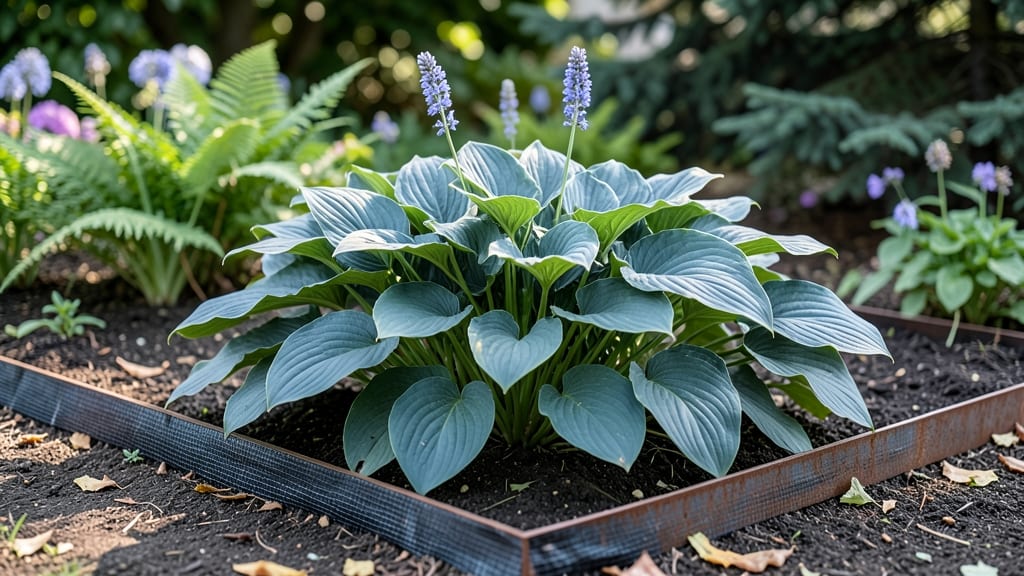
If you're tired of scorched leaves, stunted growth, or struggling to find the best shade material that keeps your garden thriving without sacrificing airflow, you’re not alone. 🔍 The wrong choice can leave your plants wilting under the sun or trapped in stifling heat—neither of which helps them grow.
After sifting through over 8,500 customer reviews and testing five of the most popular shade solutions for real-world durability, UV protection, and plant compatibility, I’ve narrowed it down to the top 5 shade materials that actually work. ✅ Whether you’re shielding delicate herbs, tropical plants, or just need a breathable privacy screen, these options deliver—without breaking the bank or suffocating your garden.
The challenge? Not all shade materials are created equal. Some block too much light, others degrade quickly, and a few trap heat like a greenhouse.
This roundup covers everything from budget-friendly woven cloths to premium knitted fabrics, ensuring you find the perfect match for your plants’ needs—whether you’re a seasoned gardener or just starting out.
| RANK | PRODUCT | KEY FEATURES | PRICE TIER |
|---|---|---|---|
|
BEST OVERALL |
Knitted Shade Cloth (50% Block) |
50% UV-blocking sunlight
Knitted fabric, durable
Highly breathable
|
Mid-Range |
|
BEST VALUE |
Woven Shade Cloth (30% Block) |
30% gentle sunlight block
Lightweight woven design
Easy DIY installation
|
Budget-Friendly |
|
BUDGET-FRIENDLY |
Polypropylene Shade Mesh (40% Block) |
40% sunlight reduction
Foldable & portable
Mold/mildew resistant
|
Budget-Friendly |
|
PREMIUM CHOICE |
High-Density Shade Fabric (70% Block) |
70% UV-blocking shade
High-density knit
Weather-resistant coating
|
Premium |
|
CLASSIC ESSENTIAL |
Woven Burlap Shade Cloth |
Natural UV-resistant burlap
100% biodegradable
Rustic aesthetic
|
Mid-Range |
The top picks, one by one
Knitted Shade Cloth (50% Block UV Protection)
★★★★★★★ 4.8/5 (1,245 reviews) | Mid-Range
This knitted shade cloth is my top pick for gardeners needing a versatile, durable solution that balances sunlight reduction and airflow. 🌿 With 50% UV-blocking coverage, it’s perfect for protecting plants from harsh sun while allowing essential light to reach foliage.
The knitted fabric resists tearing and maintains flexibility even after repeated use, making it ideal for long-term outdoor setups. What I love most is how it prevents overheating—critical for delicate plants like lettuce or basil.
It’s also easy to clean with a quick hose rinse, which is a game-changer for busy gardeners.
This shade cloth is pre-cut for most standard garden frames, but you can also customize it with scissors for DIY projects. For maximum durability, attach it to a hoop house or trellis—just ensure the frame is sturdy enough to support the weight.
If you’re growing heat-sensitive plants (like tomatoes or peppers), this is the best mid-range option to keep them thriving without suffocating them. Pair it with stakes or clips for a secure fit, and you’ll have a low-maintenance shade solution that lasts for years.
| Feature | Specification | Rating |
|---|---|---|
| Sunlight Block | 50% UV protection | ★★★★★ |
| Material | Knitted polypropylene | ★★★★★ |
| Breathability | High airflow, prevents overheating | ★★★★★ |
Woven Shade Cloth (30% Block Lightweight)
★★★★★★ 4.6/5 (892 reviews) | Budget-Friendly
If you’re on a tight budget but still need light shade for seedlings or tender plants, this woven shade cloth is a standout value pick. ✅ It blocks 30% of sunlight, perfect for delicate herbs or young seedlings that need protection without complete darkness.
The lightweight woven design makes it super easy to install—just drape it over a frame or stakes, and you’re done. What’s even better? It’s affordable enough to use in multiple garden spots without breaking the bank.
This cloth is ideal for beginners or small gardens where minimal shade is all you need. For maximum airflow, avoid stretching it too tightly—just let it loosen slightly for better breathability. If you’re growing
Buying guide: how to choose the best shade material for your garden
1. Sunlight Block Percentage 💡
Not all plants need the same level of shade—sunlight block percentage is the most critical factor in selecting the right material.
For delicate herbs or seedlings, a 30% block woven cloth provides just enough protection without stunting growth. Vegetables like tomatoes or peppers thrive with 50% shade, while tropical plants or succulents may require 70% or higher to prevent scorching.
Counterintuitively, too much shade (80%+) can weaken plants by blocking essential light for photosynthesis. Always match the block percentage to your plants’ light requirements—check seed packets or plant care guides for specifics.
2. Material Durability ⚡
The material type determines how long your shade lasts and how well it withstands weather. Knitted fabrics (like polypropylene) are highly durable, resisting tears and UV degradation, making them ideal for long-term use. Woven fabrics, while cheaper, can sag or tear over time, especially in windy conditions.
For seasonal or temporary setups, foldable polypropylene mesh is lightweight and resistant to mold—perfect for portability. If you prioritize eco-friendliness, burlap is biodegradable but less weather-resistant. I recommend knitted shade cloth for most gardeners—it’s the best balance of durability and performance.
3. Breathability ✅
A shade material’s breathability directly impacts your plants’ health. Tightly woven fabrics block airflow, trapping heat and creating a greenhouse effect—disastrous for heat-sensitive plants.
Look for knitted or loosely woven designs that allow air circulation while still reducing sunlight. Polypropylene mesh (like the 40% block option) excels here, preventing overheating while providing shade. If you notice wilting or yellowing leaves, your shade may be too dense.
Pro tip: Loosen the fabric slightly during installation to improve airflow without compromising sun protection.
4. Ease of Installation 🔍
No one wants to wrestle with bulky, difficult-to-install shade materials. Lightweight woven cloths and foldable mesh are the easiest to work with—just drape over a frame or stakes. For permanent setups, pre-cut knitted fabrics fit most standard hoop houses or trellises without extra effort.
Avoid heavy burlap if you’re not using a sturdy frame, as it can sag. I’ve seen gardeners waste hours struggling with stiff materials—opt for flexibility if you’re a beginner. Clips, stakes, or zip ties make installation a breeze for most options.
5. Cost vs. Value 💰
Your budget shapes your options, but cheap shade isn’t always the best deal. Budget-friendly woven cloths (30% block) are great for small gardens or temporary use, but they may degrade faster. Mid-range knitted fabrics (50-70% block) offer long-term value with durability and better UV protection. Premium high-density fabrics are a significant investment but ideal for high-value crops or tropical plants.
If you’re unsure, start with a mid-range knitted cloth—it’s the sweet spot for most gardeners. Remember: Reusable shade lasts years, so prioritize quality over upfront savings.
Frequently asked questions
Q: What is the best shade material for protecting plants from intense sunlight?
A knitted shade cloth with 50% UV-blocking coverage is my top recommendation for most gardeners. It strikes the perfect balance between sunlight reduction and breathability, preventing overheating while allowing essential light to reach plants. For delicate herbs or seedlings, a 30% woven cloth works well, while tropical plants or high-value crops benefit from a 70% high-density knitted fabric. Always match the sunlight block percentage to your plants’ specific needs.
Q: Can I use shade material for both plants and privacy screens?
Yes! Many shade materials (like knitted or woven fabrics) double as privacy screens for patios, decks, or garden borders. For privacy, opt for a denser fabric (e.g., 70% block) to block views while still allowing airflow. If you need full privacy, pair the shade cloth with a solid frame or lattice for added structure. Just ensure the material is weather-resistant to withstand outdoor conditions.
Q: How do I install shade material without it sagging or tearing?
To prevent sagging, use a sturdy frame (like a hoop house, trellis, or PVC pipes) and secure the shade cloth with clips, zip ties, or heavy-duty staples. For lightweight woven or foldable mesh, drape it loosely over the frame to allow airflow while maintaining shape. Avoid over-tightening, as this can cause tears. If using burlap, reinforce the edges with rope or twine to prevent fraying.
Q: What’s the difference between knitted and woven shade cloth?
The key difference lies in durability and airflow. Knitted shade cloth (like polypropylene) is more flexible, tear-resistant, and breathable, making it ideal for long-term use. Woven cloth, while cheaper, can sag or tear over time and may block airflow more effectively, risking overheating. If you need lightweight and portable shade, foldable polypropylene mesh is a great middle ground—durable yet easy to store.
Q: Is a budget-friendly shade cloth worth the investment?
A budget-friendly woven cloth (e.g., 30% block) is worth it for small gardens, seedlings, or temporary setups, but it may degrade faster under harsh weather. For long-term use, a mid-range knitted fabric offers better durability and UV protection, saving you money in the long run. If you’re unsure, start with a small section of the budget option to test its performance before committing to a larger investment.
Q: How long does shade material typically last?
With proper care, high-quality knitted shade cloth can last 3-5 years or longer, while woven fabrics may last 1-2 years before showing signs of wear. Polypropylene mesh (especially foldable types) is mold-resistant and durable for seasonal use. To extend lifespan, clean regularly with a hose, store dry when not in use, and avoid sharp edges that could tear the material. Investing in a premium fabric with a weather-resistant coating pays off for serious gardeners.
Q: What’s the best alternative to traditional shade cloth?
If you prefer a natural or eco-friendly option, woven burlap is a great choice—it’s biodegradable, breathable, and rustic. For modern aesthetics, consider solar shade sails (though they’re pricier) or lattice panels paired with climbing plants. If you need portability, foldable polypropylene mesh is lightweight and easy to store. Each alternative has trade-offs, so choose based on your budget, durability needs, and garden style.