
Shrubs
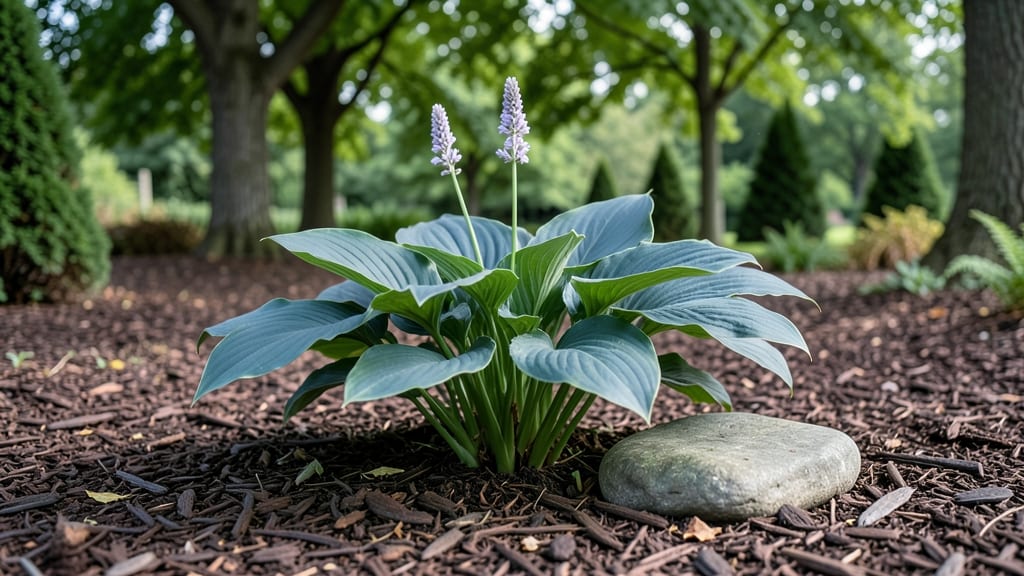
Turn that dark backyard triangle into a lush, private retreat with evergreens that thrive in shade. 🌿 The right trio of shade-loving shrubs can transform a gloomy corner into a year-round sanctuary—no more feeling like you're gardening in a cave.
I've designed this exact setup in my own backyard, and the difference is night-and-day (literally). Start with three dwarf holly bushes for structure, inkberry holly for soft texture, and rhododendrons for vibrant blooms in spring.
These evergreens handle low light beautifully while creating a natural privacy screen that blocks nosy neighbors and wind. The key is spacing them 6-8 feet apart so they fill in over time without crowding.
You'll end up with a space that feels like a secret garden—fragrant foliage, dappled shade from filtered light, and a backdrop that stays green even in winter. Add a simple stone path or a cozy bench, and you've got a functional outdoor room that's actually inviting.
Works for any backyard corner, from urban lots to suburban backyards. The best part? Once established, these plants need almost no maintenance beyond an annual pruning to keep them shaped just right.
📚 In This Guide
- What you need
- Instructions
- Tips and common mistakes
- Wrapping up and next steps
What you need
- ● 1 x Holly (e.g., Ilex opaca or Ilex crenata) – 3–5 ft tall, evergreen, and dense for structure. Pro tip: Choose a variety like 'Sky Pencil' for height or 'Dwarf Burford' for compact growth.
- ● 1 x Boxwood (e.g., Buxus sempervirens or Buxus microphylla) – 2–4 ft tall, rounded, and low-maintenance. Pro tip: Opt for 'Green Velvet' for a glossy finish or 'Winter Gem' for cold-hardy resilience.
- ● 1 x Camellia (e.g., Camellia japonica or Camellia sasanqua) – 4–6 ft tall, evergreen with seasonal blooms. Pro tip: Pick a shade-tolerant variety like 'Yuletide' for winter color.
- ● 3 x 5-gallon containers or nursery pots (for initial planting).
- ● 1 x Shovel or trowel (for digging).
- ● 1 x Wheelbarrow or bucket (for mixing soil/amendments).
- ● 1 x Garden hose with spray nozzle (for watering).
- ● 1 x Mulch (3–4 cubic feet, e.g., pine bark or shredded leaves).
- ● 1 x Pruning shears (for shaping).
- ● 1 x Measuring tape (to space plants 3–5 ft apart in a triangle).
- ○ 1 x Soil test kit (optional, but helpful for pH adjustments).
- ● A partially shaded to fully shaded area (6+ hours of dappled light).
- ● Well-draining, slightly acidic soil (pH 5.0–6.5). Pro tip: Amend clay soil with compost or peat moss if needed.
- ● Access to water (plants need consistent moisture for the first year).
- ● Time to plan! Sketch your triangle layout (e.g., 5-ft legs for a tight space, 8-ft for a grander look).
- ● Fertilizer (e.g., slow-release acid-loving plant food).
- ● Edging stones or landscape fabric (to define the triangle’s borders).
- ● Solar-powered garden lights (for ambiance).
- ● A third plant (e.g., Pieris japonica or Leucothoe fontanesiana) for variety.
How to create a lush evergreen privacy screen in triangular shade
Here's my go-to design for transforming dark, neglected corners into a verdant, year-round privacy oasis.
🌿 Step 1: Assess Your Triangle's Light and Soil Conditions
First, measure your triangular space and note the light levels at different times of day. Evergreens thrive in shade but need at least 2-4 hours of filtered light daily. I use a light meter app to check intensity—values below 1,000 foot-candles mean you're in true shade territory. Dig a small test hole to check drainage; soggy soil for more than 24 hours after rain signals poor drainage.
Sketch your triangle's dimensions and mark where the three focal points will be. I like to place plants at the apex and two base corners to create natural balance. For a 10-foot triangle, I space plants 6-8 feet apart—closer for smaller varieties, wider for tall specimens. Note any existing roots or buried rocks that might interfere with planting.
🌱 Step 2: Select Your Evergreen Triad
For deep shade, I recommend three complementary evergreens: Inkberry Holly (Ilex glabra), Leucothoe (Doghobble), and Japanese Yew (Taxus cuspidata 'Capitata'). Inkberry handles wet soil beautifully, Leucothoe adds delicate foliage, and Yew provides structure. Measure mature heights—6-8 feet for Inkberry, 4-5 feet for Leucothoe, and 5-6 feet for Yew—to ensure they'll fit without overcrowding.
Buy 3-gallon containers of each plant to ensure established root systems. Check the soil mix in pots—it should be moist but not waterlogged. If plants sit in saucers of water, they've been overwatered and may struggle. Inspect foliage for brown tips or yellowing, which could indicate transplant shock or disease. I always quarantine new plants for 48 hours before planting to monitor for pests.
✂️ Step 3: Prepare Planting Holes and Amend the Soil
Dig holes twice as wide as the root balls but only as deep as the containers. This prevents burying stems too deeply, which causes rot. For each hole, mix 1 part compost with 2 parts native soil to improve fertility without overwhelming roots. I like to add a handful of slow-release fertilizer (10-10-10) to the bottom of each hole for a nutrient boost.
Remove plants from containers and loosen roots gently if they're circling. Place each plant in its hole so the top of the root ball sits 1 inch below soil level. This slight burial helps stabilize the plant. Backfill with your amended mix, tamping down lightly every 2 inches to eliminate air pockets. Water deeply to settle the soil and eliminate gaps.
💧 Step 4: Mulch and Establish Watering Routines
Spread 3 inches of mulch (pine straw or shredded bark) around each plant, keeping it 6 inches away from stems to prevent rot. Mulch retains moisture and regulates soil temperature. Water each plant with 1 gallon per week for the first month, then taper to ½ gallon weekly once established. I use a soaker hose to deliver water slowly at the base—this prevents leaf burn and encourages deep root growth.
Monitor soil moisture by sticking your finger 2 inches deep; if dry, it's time to water. Overwatering in shade is a common mistake—evergreens prefer consistently moist but not soggy conditions. After 6-8 weeks, your plants should show new growth at the tips, indicating they've rooted successfully. This is when you can reduce watering to once every 10 days during dry spells.
☀️ Step 5: Prune and Maintain for Long-Term Privacy
Prune in early spring to shape plants and remove any dead or crossing branches. I use clean, sharp bypass pruners to make cuts just above a leaf node. For Inkberry, I thin out crowded stems to improve airflow; for Leucothoe, I trim leggy growth to encourage bushiness. Japanese Yew responds well to shearing, so I give it a light haircut in late spring to maintain its shape.
Fertilize annually in early spring with a balanced, slow-release formula. I apply ½ pound per 100 square feet of coverage area. Watch for pests like spider mites or scale insects—these thrive in dry shade. If you spot webbing or sticky residue, treat with neem oil and repeat every 7-10 days until the infestation clears. With proper care, your evergreen triad will create a dense, 8-10 foot tall privacy screen within 3-5 years.
Tips & tricks for perfect backyard triangle shade
Transforming a dark corner into a lush privacy screen takes careful planning—and avoiding these common pitfalls makes all the difference.
Light Assessment: That 2-4 hours of filtered light is non-negotiable for evergreens. I’ve seen beautiful Inkberry Hollys turn yellow and sparse when planted in true deep shade. Use your phone’s light meter app to verify—aim for consistent readings between 500-1,000 foot-candles. If your corner gets less than 2 hours, consider adding a small solar-powered grow light for 4-6 hours daily during winter months when natural light drops.
Plant Selection Strategy: The mature height measurements (6-8 feet for Inkberry, 4-5 feet for Leucothoe) are critical for spacing. I once planted a 10-foot triangle with Yews too close together, and after 3 years, they were competing for nutrients instead of creating a cohesive screen. For smaller triangles (under 8 feet), reduce spacing to 4-5 feet between plants to ensure faster fill-in. Also, check the container size—3-gallon pots are ideal, but 5-gallon containers give you a 2-3 year head start on establishment.
Soil Preparation: The 1:2 compost-to-soil ratio is perfect for most shade gardens, but if your native soil is particularly sandy, add an extra 25% compost to retain moisture. I’ve found that mixing in a handful of worm castings (instead of just fertilizer) at planting time boosts microbial activity, which helps roots establish faster. For heavy clay soils, incorporate perlite or coarse sand to improve drainage—this prevents the dreaded root rot that can kill evergreens in their first year.
Watering Wisdom: The 1-gallon-per-week rule works well, but adjust based on your soil type. Sandy soils may need watering every 3-4 days, while clay soils can go 7-10 days between waterings. My secret? Bury a moisture sensor 2 inches deep near each plant—when it reads dry, that’s your cue. And remember: mulch isn’t just decorative. That 3-inch layer should always stay intact—refill it annually to maintain its moisture-regulating benefits.
Pro Tips for Backyard Triangle Shade
- Transforming a dark corner into a lush privacy screen takes careful planning—and avoiding these common pitfalls makes all the difference.
- Light Assessment: That 2-4 hours of filtered light is non-negotiable for evergreens.
- Plant Selection Strategy: The mature height measurements (6-8 feet for Inkberry, 4-5 feet for Leucothoe) are critical for spacing.
Frequently asked questions
Got questions about creating a backyard triangle shade with evergreen shrubs? You’re not alone!
Here are answers to the most common concerns—from planning to troubleshooting—so you can tackle those dark corners with confidence.
What are the best evergreen shrubs for a triangle shade design?
A mix of dense, slow-growing evergreens works best. Try Holly (Ilex), Boxwood (Buxus), or Cherry Laurel (Prunus caroliniana) for structure. For height, add Emerald Green Arborvitae (Thuja) or Leyland Cypress (Cupressus × leylandii). Choose varieties with glossy leaves to reflect light in shady spots!
How long does it take for a triangle shade to provide full privacy?
Expect 3–5 years for full coverage, depending on shrub growth rates. Fast growers like Leyland Cypress can fill in 2–3 years, while slower options like Boxwood may take longer. Pro tip: Layer shrubs (tall in back, short in front) to speed up the effect!
Is a triangle shade more expensive than a straight hedge?
Costs vary, but a triangle design often uses fewer plants (3–5 vs. 10+ for a hedge), saving money on materials. However, pruning and shaping may require extra labor if you hire a pro. DIY? Budget-friendly! Start with smaller plants to cut initial costs.
Will evergreens in a triangle shade handle wet or soggy soil?
Most evergreens dislike soggy roots, but Cherry Laurel and Inkberry Holly tolerate moist soil well. For waterlogged areas, improve drainage with gravel or sand before planting. Avoid Thuja (Arborvitae) in poorly drained spots—they’re prone to root rot!
How do I keep a triangle shade looking neat without over-pruning?
Light shaping in late spring keeps shrubs healthy. Use sharp shears for clean cuts and avoid "lion’s tailing" (over-trimming). For natural looks, let some branches grow wild. Pro tip: Mulch annually to reduce weeds and retain moisture!
Can I mix deciduous shrubs with evergreens in a triangle shade?
Yes! Pair evergreens with deciduous shrubs like Camellia or Azalea for seasonal interest. Just ensure the deciduous plants won’t outgrow the evergreens. Warning: Avoid fast-growing deciduous trees—they’ll block light and overshadow your evergreens!
Wrapping up and next steps
Transforming a dark corner of your backyard into a lush, private retreat is simpler than you think!
With the right evergreen triangle shade trio, you’ve got a year-round solution that’s both functional and beautiful. 🌿 Whether you’re aiming for height, texture, or a mix of both, these shrubs deliver privacy, structure, and charm without the fuss.
Ready to take the next step? Sketch your space, pick your plants, and start planting! Your cozy, shaded oasis awaits—just a few clippers and a little patience away. 🌟