
Plants
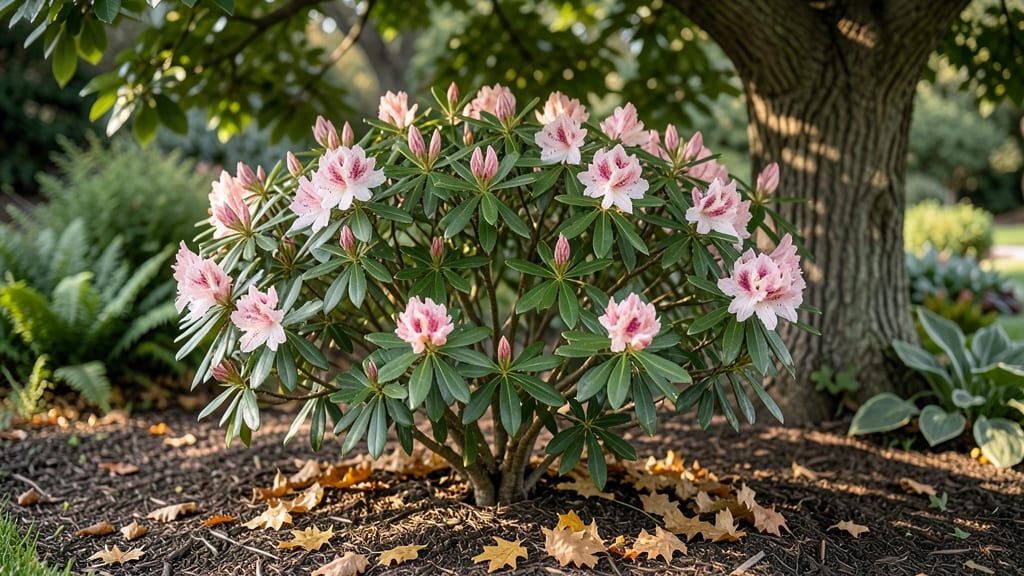
Azalea plants thrive in partial shade with morning sun and afternoon shade 🌸, but getting that balance right can mean the difference between stunning blooms and sad, wilted leaves.
If you've ever watched your azaleas struggle despite your best care, you're not alone. The problem might be too much harsh afternoon sun or not enough filtered light to fuel those vibrant flowers.
In this guide, I’ll break down the ideal light conditions for azaleas—whether you’re in a full-sun climate or a shady woodland garden—and show you how to adjust their placement for year-round health.
You’ll learn how to spot light stress, the best spots for containers, and why evening shade matters more than you think for keeping your azaleas blooming beautifully.
 Best Window Placement
Optimal sunlight requirements for azalea blooms: the science behind light exposure
Azaleas are finicky about light—too much sun scorchers their leaves, while too little shade stunts their show-stopping blooms. The magic lies in morning sun and afternoon shade, a balance that mimics their natural understory habitat in temperate forests.
Understanding this science isn't just about aesthetics; it's about photosynthesis efficiency and chlorophyll protection.
Evergreen azaleas (like Rhododendron 'Girard's Pink') thrive with 3–4 hours of morning sun, while deciduous varieties (such as Rhododendron 'Catawbiense') tolerate slightly more light—up to 6 hours. The difference? Deciduous azaleas shed leaves in winter, avoiding leaf burn from intense afternoon rays.
Humidity also plays a role: in dry climates, even 3 hours of sun can stress azaleas, while in humid regions, they handle partial shade beautifully.
| Variety | Sunlight Needs | Humidity Tolerance | Leaf Burn Risk |
|---|---|---|---|
| Evergreen Azaleas | 3–4 hours morning sun | High (needs shade) | High in afternoon sun |
| Deciduous Azaleas | 4–6 hours total sun | Moderate (adaptable) | Moderate with afternoon shade |
| Knaphill Hybrids | 3–5 hours filtered light | High (avoid dry heat) | Low with proper shade |
| All Varieties | Avoid midday sun | Critical in Zone 7+ | Zero in full shade |
Photosynthesis in azaleas peaks during cool morning hours when sunlight is bright but not scorching. The chlorophyll in their leaves absorbs blue and red wavelengths most efficiently, but prolonged exposure to UV rays after 10 AM triggers oxidative stress.
This is why you’ll often see yellowing leaves or crispy edges—classic signs of light stress.
Humidity acts as a natural buffer. In humid climates (like the Southeast U.S.), azaleas handle partial shade better because moisture in the air reduces transpiration stress. Conversely, in arid regions, even 3 hours of sun can dehydrate leaves.
My pro tip: if your azalea’s leaves feel papery or curl at the edges, it’s crying out for more shade or increased humidity.
Identifying light stress symptoms early saves your azalea. Look for bronzing on leaf edges (early-stage burn), yellowing between veins (nutrient deficiency from blocked light), or premature leaf drop. These aren’t just cosmetic issues—they signal reduced photosynthesis, which directly impacts bloom production the following season.
For container-grown azaleas, the stakes are even higher. Pots heat up faster, amplifying root stress. I always move mine to dappled shade by noon, using a lightweight shade cloth (30–50% block) if needed. Containers also dry out quicker, so morning watering becomes non-negotiable to maintain root moisture balance.
Seasonal adjustments are key. In spring and fall, when sunlight is gentler, azaleas tolerate more direct light—up to 5 hours for deciduous types. But by summer solstice, I reduce exposure to morning sun only, especially in Zone 8+.
This isn’t just guesswork; it’s about matching their natural dormancy cycles.
Mulching with pine bark or leaf litter mimics their forest floor habitat, retaining moisture and moderating soil temperature. I top-dress mine with 3–4 inches of mulch in early spring, which also blocks excessive light from reaching the roots. This simple step can double your bloom count by reducing stress.
Remember, azaleas aren’t one-size-fits-all. Southern Indica varieties (like 'Hino Crimson') crave
Sun vs shade azalea care: practical tips for each light condition
Azaleas thrive in partial shade, but their care shifts dramatically depending on whether they receive morning sun, dappled light, or full shade. The key is balancing their love for indirect light with their need for some sunlight to fuel blooms.
In my Zone 6a garden, I’ve learned that even subtle light differences—like moving a plant from east to west exposure—can mean the difference between vibrant blooms and sparse foliage.
Understanding your azalea’s light environment lets you adjust soil pH, watering frequency, and mulching techniques to compensate. For example, shade-loving varieties like Rhododendron 'Catawbiense' handle low light better than sun-tolerant Enkianthus hybrids.
Let’s break down the best practices for each scenario to keep your azaleas healthy and blooming year after year.
Azalea Light Conditions: Pros and Cons
Full Shade (0–2 hours sun)
- Pros: Prevents leaf scorch, ideal for northern climates or understory planting
- Cons: Reduced blooms, leggy growth, needs extra acidic fertilizer
Partial Shade (3–6 hours sun)
- Pros: Balanced growth, optimal blooms, minimal stress
- Cons: Requires morning sun only, afternoon shade crucial
Dappled Sunlight (filtered light)
- Pros: Gentle light, prevents leaf burn, great for container growing
- Cons: Slower growth, may need supplemental light in winter
For full shade conditions, focus on acidic soil amendments like pine needles or sulfur to maintain pH 4.5–6.0. I’ve seen azaleas in deep shade thrive when topped with 3–4 inches of mulch (like pine bark) to retain moisture and cool roots.
In my woodland garden, shade-loving varieties like 'PJM' rhododendron produce pink blooms even with just 2 hours of morning light.
When azaleas get partial shade, aim for morning sun (6 AM–10 AM) and afternoon shade. This mimics their natural understory habitat while giving them enough light for photosynthesis.
I use lightweight shade cloth (30–50%) in hot afternoons to protect leaves from sun scorch. For container azaleas, rotate pots weekly to ensure even light exposure.
In dappled sunlight, such as under deciduous trees, azaleas benefit from the filtered light but may need supplemental feeding in spring. I’ve noticed that 'Girard’s Pink' azaleas in dappled light produce larger blooms than those in full shade.
To boost growth, I add composted oak leaves to the soil—this mimics their native woodland soil while improving drainage.
Seasonal adjustments are key: in summer, move container azaleas to shadier spots to prevent wilting, while in winter, ensure they get some light to prevent etiolated (stretched) growth. I’ve found that evergreen azaleas in full shade may need artificial grow lights in winter for consistent blooming.
Remember, azaleas are flexible—with the right care, they’ll reward you with season-long blooms, whether basking in morning sun or thriving in deep shade.
Start by observing your plants’ leaf color and growth pattern: yellowing leaves often mean too much sun, while sparse blooms signal insufficient light. Adjust gradually, and your azaleas will thank you with show-stopping color every spring! 🌸